


Fixation of Spinal Fractures
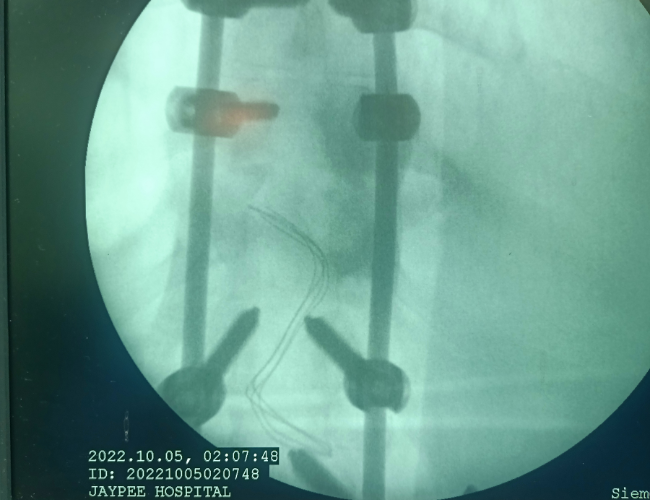
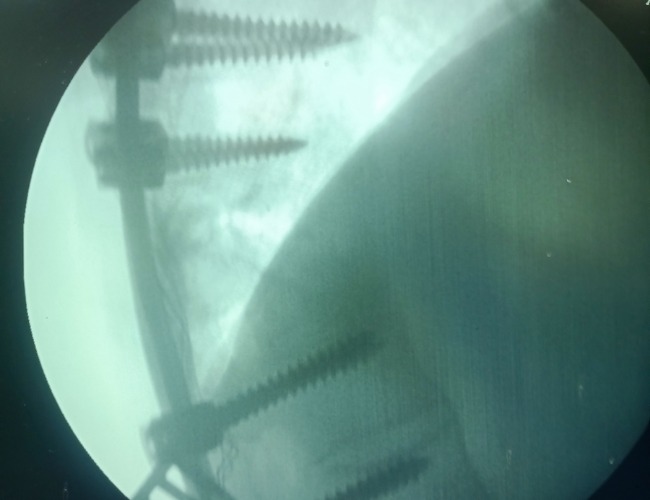
A spinal fracture may be secondary (pathological—in an already weak bone) or primary (caused by injury). The surgical treatment known as “vertebral fixation” (or “spinal fixation”) involves securing two or more vertebrae to one another using a synthetic “vertebral fixation device” in order to limit vertebral motion and prevent potential harm to the spinal cord and/or spinal roots.
Know about Lumbar Decompression Fusion & Fixation Surgery
What Signs Are There?
The following circumstances may warrant a vertebral fracture fixation procedure:
- 1) A spinal fracture that causes damage to the nervous system.
- 2) A vertebral fracture that could cause neurological damage.
Fixation Types:
Typically, titanium rods, plates, screws, and other permanent rigid or semi-rigid prostheses are utilized as implants to accomplish spinal fixation. The procedure can be open or minimally invasive (such as percutaneous fracture stabilization or minimally invasive transforaminal lumbar interbody fusion).
Among the possible forms of fracture fixation are:
1) The cervical
- Corpectomy and/or anterior cervical plating.
Insertion and plating of the anterior cervical cage.
- Stabilization and screw fixation of the posterior cervical lateral mass.
- Neurological decompression combined with either anterior or posterior stabilization.
2) Thoracal
- Stabilization of percutaneous dorsal fractures. (not too intrusive)
- stabilization of open dorsal fractures.
- fixation of thoracic fractures using anterior cage support and laminectomy (decompression).
- For vertebral fractures, kyphoplasty or vertebroplasty is used.
- Anterior transthoracic technique for anterior column reconstruction (cage) and fracture fixation
3) Lumbo-sacral/lumbar:
- Minimally invasive posterior percutaneous fracture fixation
- fixation of the posterior open spine by fusion.
- Anterior cage insertion combined with posterior spinal fixation.
- Vertebroplasty and kyphoplasty.
- mesh cage support and corpectomy for anterior lumbar fixation.
- interbody fusion of the axial lumbar region.
- direct interbody fusion of the lumbar region.
- Fixation of the lumbar sacral spine.
While the anterior assembly often uses a plate and screw mechanism, such as in the cervical spine, the pedicles screws used for posterior stabilization are typically coupled with rods on both sides. Cement-augmented screws are also available to strengthen weak bones in cases of severe osteoporosis. A protective brace is typically worn for extra support until the fracture heals following spinal fracture repair.