


Surgery for the Cervical Spine Surgery Noida
Cervical Spine Surgery Noida: What is it?
One of two types of bone grafts is possible:
- or a donor bone from a bone bank, known as an allograft.
- autograft, or bone transplanted from your body
To further support the spine, screws and metal plates are occasionally also utilized. We refer to these methods as instrumentation. Surgical stabilization of the vertebrae stops aberrant motion and restores function to the spinal nerves. Cervical disc replacement using an artificial disc that stabilizes the spine and permits neck motion is an alternative to spinal fusion.
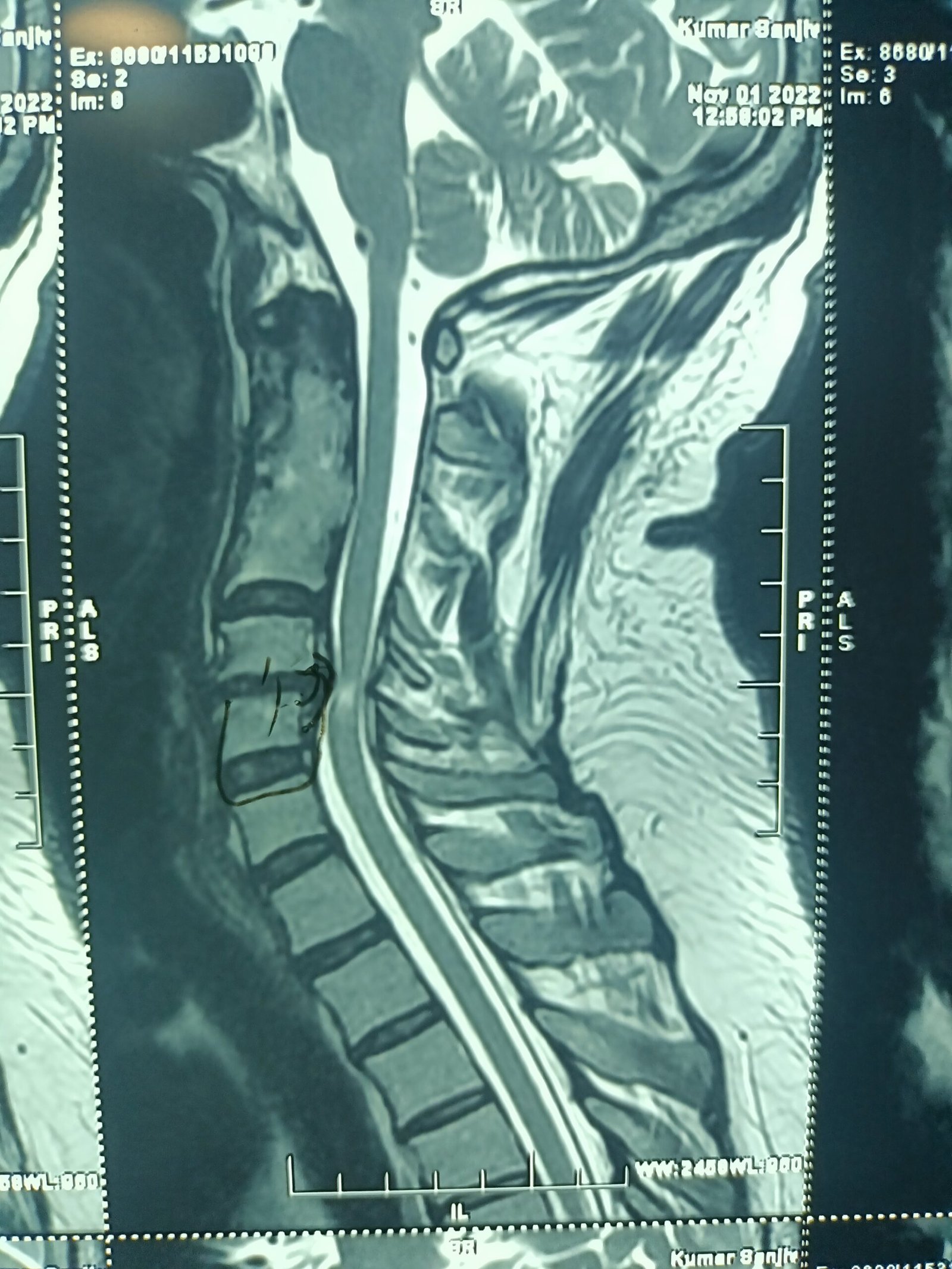
Depending on the situation, anterior, posterior, or both anterior and posterior techniques are used to treat a variety of cervical spine conditions. In order to remove and replace the damaged disc or vertebra at one or more levels, anterior cervical surgery is performed with a very little cosmetic incision under a surgical microscope.
There is less blood loss, less discomfort following surgery, and a quicker recovery because no muscles are sliced during the exposure. Pathologies such as cranio-cervical instability, C1-C2 instability, and cervical spine instability brought on by trauma, infection, or rheumatoid arthritis are treated with the posterior approach. On the evening of operation, patients begin walking, and as early as 15 days following surgery, they can resume their regular activities.
What Causes Surgery for the Cervical Spine?
Numerous spinal neck issues may warrant cervical spine surgery. In general, trauma, instability, and degenerative diseases can all be treated with surgery. Pressure on the spinal cord or the nerves originating from the spine may result from these disorders.
Which Conditions Can Cervical Spine Surgery Treat?
- Degenerative Disc Disease
- Deformity of the Cervical
- anomalies of the craniovertebral junction
- Intervertebral disc prolapse
- Compressive Cervical Myelopathy
Is Spine Surgery for the Cervical Spine Safe?
Although problems have been observed, cervical spine surgery has a very high success rate.
Although dural tears, which are tears in the spinal cord’s protective sheath, are the most frequent side effect after neck surgery, their overall frequency is only 0.77%. With a total incidence of just 0.42%, C5 palsy—a transient paralysis in one or both arms—is the second most frequent consequence.
Although complications are uncommon in most cases, the type of neck surgery you have may put you at greater risk for some of them.
For instance, the esophagus is often affected by complications from neck surgery. Anterior cervical discectomy and fusion (ACDF) patients are more likely to experience pharyngeal wall edema, laryngeal nerve damage, and dysphagia (difficulty swallowing).
What Possible Side Effects Could Cervical Spine Surgery Cause?
Neck surgery carries dangers, just like any other procedure. Your doctor will discuss the potential hazards of the operation with you prior to surgery. The following are some possible dangers associated with neck surgery:
- Hemostasis or bleeding at the surgical site
- Contamination of the surgical site
- Damage to the spinal cord or nerves
- CSF (cerebral spinal fluid) leaks
- One sign of C5 palsy is arm paralysis.
- Areas close to the surgical site degenerating
- Stiffness or persistent discomfort after surgery
- The partial fusion of the spine
- Plates or screws that gradually come loose or come loose
Furthermore, you might require more neck surgeries in the future if the surgery doesn’t help with your pain or other issues.
How should I handle it?
By going over the advantages and disadvantages of your surgery with your surgeon before to having it done, you can contribute to its success.
Because every patient is different, meticulous pre-operative planning is essential to a successful procedure. Examining spine pathology—the source of a disease or disorder—as well as any other comorbidities, such diabetes, smoking, and mental illnesses, is crucial. Patients should talk to their surgeon about their diseases and how they may affect the success of the fusion as well as the likelihood of complications after the procedure.
Take These Easy Steps.
- Step 1: Send WhatsApp 9599428924
- Step 2: Consult Dr. Pramod Saini , senior consultant and head of spine surgery India at Hospital in Noida , for expert advice.
- Step 3: Consult Dr.Pramod Saini spine surgery Hospital in Noida Call +91- 9599428924
- Step 4: A life free from taboo and abnormalities!
Which kinds of neck operations are most frequently performed?
Fusion of the cervical Spine Surgery Noida
When two of your vertebrae fuse together, they form a single, sturdy bone. It is applied when there is instability in a particular neck region or when discomfort occurs when moving the affected area.
ACDF stands for anterior cervical discectomy and fusion.
Surgery known as ACDF is performed to relieve spinal cord compression or pinched nerves.The front of your neck is where the surgeon will make the surgical incision. The disk producing the pressure and any surrounding bone spurs will be removed following the incision. By doing this, the strain on the spinal cord or nerve may be lessened.
After that, a spinal fusion is done to stabilize the region.
The laminectomy
A laminectomy is performed to relieve strain on your nerves or spinal cord. The back of your neck is where the surgeon makes the incision during this surgery. The lamina, a bony, ridged region at the rear of the vertebra, is removed after the incision is made. Additionally, any ligaments, disks, or bone spurs that are compressing the body are removed.
Alternative to laminectomy
An alternative to laminectomy for relieving pressure on the spinal cord and related nerves is a laminoplasty. Additionally, the back of your neck will be incised. The surgeon makes a hinge that resembles a door rather than cutting away the lamina. By opening up the lamina using this hinge, they can lessen the spinal cord’s compression. This hinge is held in place with the use of metal implants. A laminoplasty has the benefit of allowing the surgeon to treat several locations of compression while maintaining some range of motion.
ADR stands for artificial disk replacement.
A pinched nerve in your neck can be treated with this type of surgery. The incision will be made at the front of your neck by the surgeon.
The disk that is pressing against the nerve will be removed by the surgeon during ADR. After that, they will place an artificial implant in the location where the disk was. The implant could be made entirely of metal or of plastic and metal.
With ADR surgery, you can keep some of your neck’s range of motion and flexibility, unlike with ACDF.
What usually occurs throughout the recuperation period?
After your procedure, you should anticipate staying in the hospital for one or two days. The type of operation you’ve undergone will determine how long you need to stay in the hospital. While lower back surgeries usually necessitate longer stays, neck surgeries frequently just take one night. Experiencing pain or discomfort during the healing process is common. It’s likely that your doctor will recommend medicine to help you feel better.The day following surgery, the majority of patients are usually able to move and eat.
Spine bottom line
The primary line of treatment for neck pain is not neck surgery. Usually, it is only advised in cases where less intrusive therapies prove ineffective. Certain neck disorders are more frequently linked to neck surgery than others. These include problems including severe neck fractures, spinal cord compression, and pinched nerves. Neck surgery comes in various forms, each with a distinct function. Talk to your doctor about all of your alternatives if surgery is advised to treat your neck disease.