


Describe osteoporosis.
One disorder that affects the bones is osteoporosis.The inside of a healthy bone has microscopic gaps, like a honeycomb. These holes get bigger as a result of osteoporosis, which weakens and degrades the bone. The outside of the bone also becomes thinner and weaker.
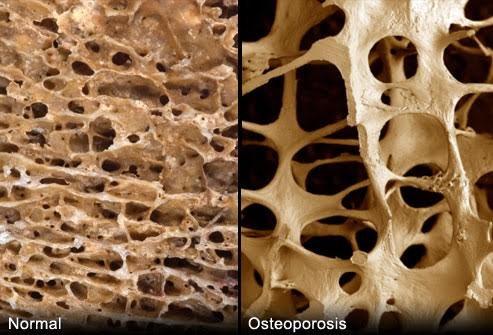
Although osteoporosis can strike anyone at any age, older adults—particularly women—are more likely to develop it.Individuals with osteoporosis are particularly vulnerable to bone breaks, or fractures, when performing daily tasks like walking or standing. The ribs, hips, wrists, and spine Surger In Noida yare the bones most frequently impacted.
What Osteoporosis Symptoms Are There?
There are no warning signs or symptoms in the early stages of osteoporosis. Most of the time, osteoporosis patients are unaware of their disease until they suffer a fracture.
If symptoms do appear, some of the earlier ones may include:
- Gums that recede
- Reduced strength of grip
- Brittle and feeble nails
Speaking with your doctor might help you determine your risk if you have a family history of osteoporosis but do not currently exhibit any symptoms.
Extreme osteoporosis
A fracture from a fall or even from a violent cough or sneeze might be a sign of severe osteoporosis. Loss of height and neck or back pain are also possible.A compression fracture may result in loss of height or in pain in the neck or back. This is a fracture in one of your neck’s or back’s vertebrae, which is so weak that it cracks when your spine’s usual pressure is applied.
A compression fracture may result in loss of height or in pain in the neck or back. This is a fracture in one of your neck’s or back’s vertebrae, which is so weak that it cracks when your spine’s usual pressure is applied.
What are the Osteoporosis Risk Factors?
- Age: is the primary risk factor for osteoporosis. Your body develops new bone and breaks down old bone during the course of your lifetime.
- Another major risk factor is menopause, which affects women between the ages of 45 and 55. Because of the related shift in hormone levels
Other osteoporosis risk factors include:
- Female
- Caucasian or Asian
- Having a family history of osteoporosis
- Poor nutrition
- Physical inactivity
- Smoking
- Low body weight
The diagnosis is made via a bone density test.
Your doctor will examine you physically and go over your medical history to check for osteoporosis. To look for diseases that could lead to bone loss, they might also perform blood and urine tests on you.
Your doctor will probably recommend a bone density test if they believe you may have osteoporosis or that you are at risk of getting it.
This test is known as dual-energy X-ray absorptiometry (DEXA) or bone densitometry. It measures the density of the bones in your spine, hips, or wrists using X-rays. These three regions are the most susceptible to osteoporosis. It may take ten to thirty minutes to complete this painless exam.
Curing osteoporosis
Your doctor will collaborate with you to develop a treatment plan if your tests reveal that you have osteoporosis. Both medication and lifestyle modifications are likely to be recommended by your physician. Increasing your consumption of calcium and vitamin D and getting the right amount of exercise are two examples of these lifestyle adjustments.
Osteoporosis cannot be cured, but it can be strengthened and protected with the right care. Some of these treatments can promote the formation of new bone, while others can assist decrease the body’s natural bone loss.
Treating osteoporosis with drugs
Bisphosphonates are the most widely used medications to treat osteoporosis. The purpose of bisphosphonates is to stop bone mass loss. They can be injected or taken orally. Among them are:
- Alendronate
- Ibandronate
- Risedronate
- Zoledronic acid
To stop bone loss or promote bone development, other drugs may be utilized. Among them are:
The Hormone Testosterone
Testosterone treatment may help men’s bone density grow.
Hormone Treatment
Estrogen can help prevent bone loss in women during and after menopause. Regrettably, estrogen therapy has also been linked to a higher risk of heart disease, blood clots, and some types of cancer.
The Drug Raloxifene
Although there is still a higher risk of blood clots, this medication has been shown to offer the advantages of estrogen without many of its risks.
Denosumab:
This injectable medication may be even more effective at preventing bone loss than bisphosphonates.
Teriparatide.
This medication promotes the growth of bones and is also administered via injection.
Nutrition
An healthy diet can assist strengthen your bones in addition to your treatment strategy. You must consume specific nutrients each day in order to maintain the health of your bones. Vitamin D and calcium are the most crucial. Calcium is necessary for healthy bones, and calcium absorption requires vitamin D. Additional nutrients that support bone health include zinc, protein, magnesium, and vitamin K.
Osteoporosis exercises
There are other ways to promote bone health besides eating a healthy diet. Additionally, exercise is crucial, particularly weight-bearing activities.
When performing weight-bearing activities, you must keep your arms or feet fastened to the ground or another surface. Among the examples are:
- Going up stairs
- Resistance training, including
- Pressing your legs
- The squat
- The push-up
- Weight training, including using
- Bands of resistance
- The dumbbells
- Machines for resistance training
Your muscles push and pull against your bones during these exercises, which is why they are beneficial. This strengthens your bones by instructing your body to produce new bone tissue.
Keeping osteoporosis at bay
Numerous osteoporosis risk factors are beyond your control. These include having a family history of osteoporosis, growing older, and being a woman. However, there are a few things that you can influence.
Among the most effective strategies to avoid osteoporosis are:
- Obtaining the required daily intake of vitamin D and calcium
- Performing weight-bearing activities
- Giving up smoking
- Analyzing the benefits and drawbacks of hormone therapy for women
Consult your physician about the best ways to prevent osteoporosis if you are at risk for it.