


Transforaminal Lumbar Interbody Fusion Surgery (TLIF): What is it
TLIF surgery may be necessary for certain sciatica and low back pain patients who also have one or more of the following diseases.
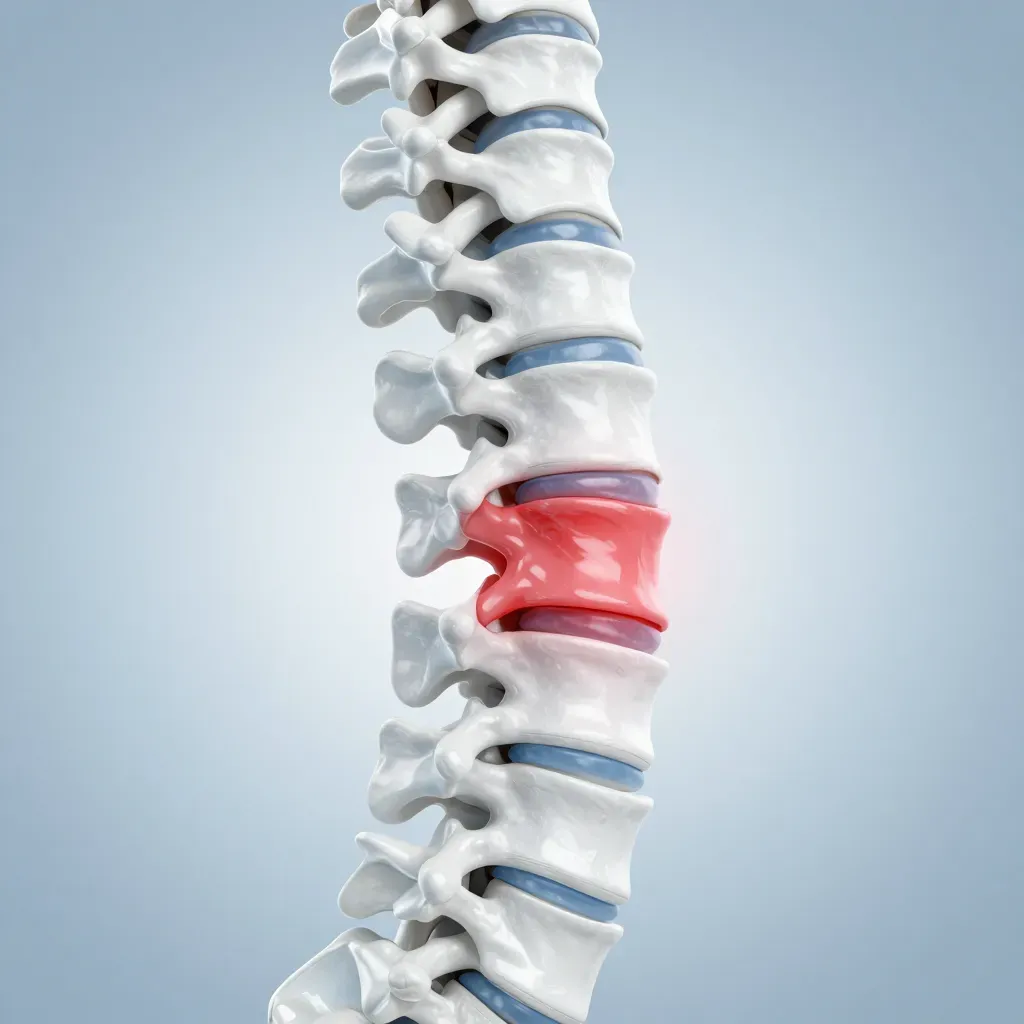
When there is spinal instability, the lumbar spine’s natural movement between its two bones becomes aberrant.
Back discomfort is caused by extremely severe facetal arthritis, or arthritis of the spine’s joints.
A patient with sciatica and disc prolapse may require extensive disc excision, which could result in instability.
Recurrent disc prolapse patients
Patients with degenerative disc disease-related low back pain who have not responded to six months of conservative medication and physical therapy
Patients with TLIF from around the globe
How is the procedure carried
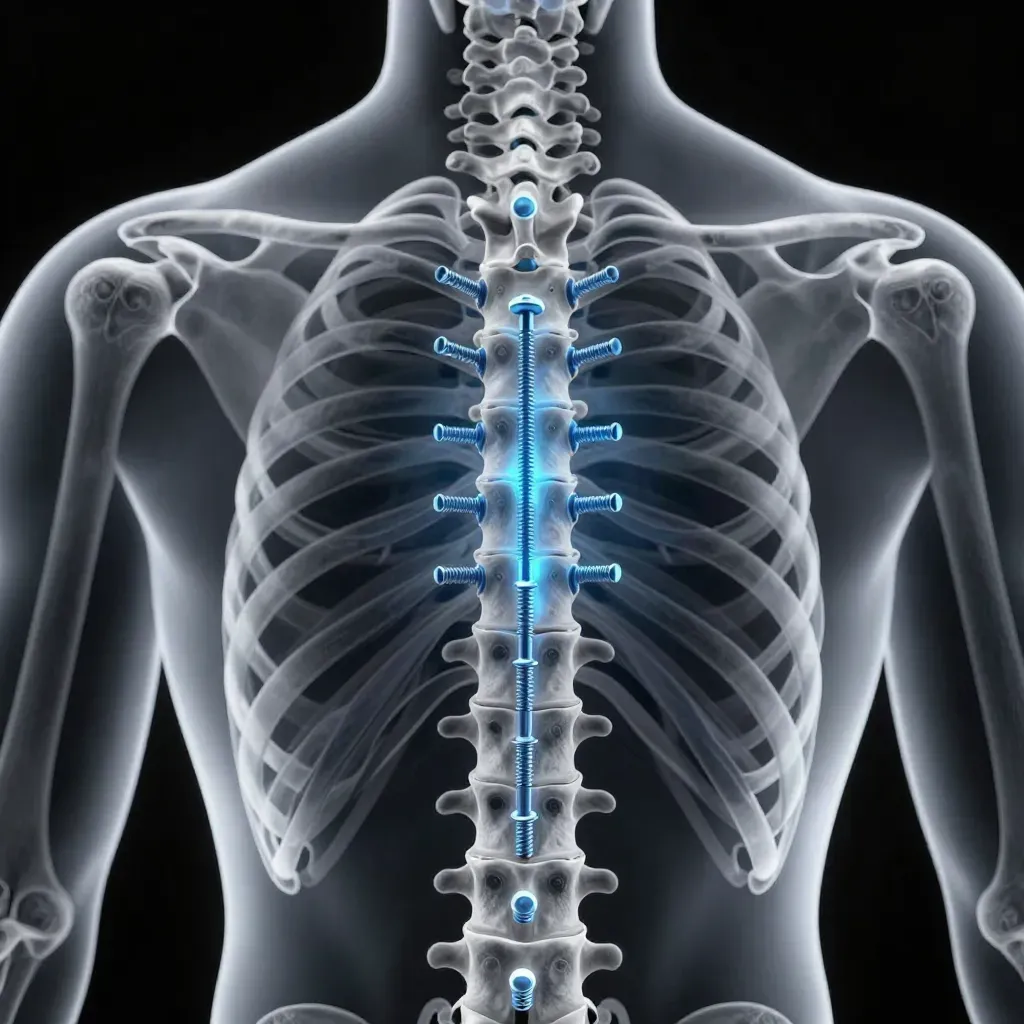
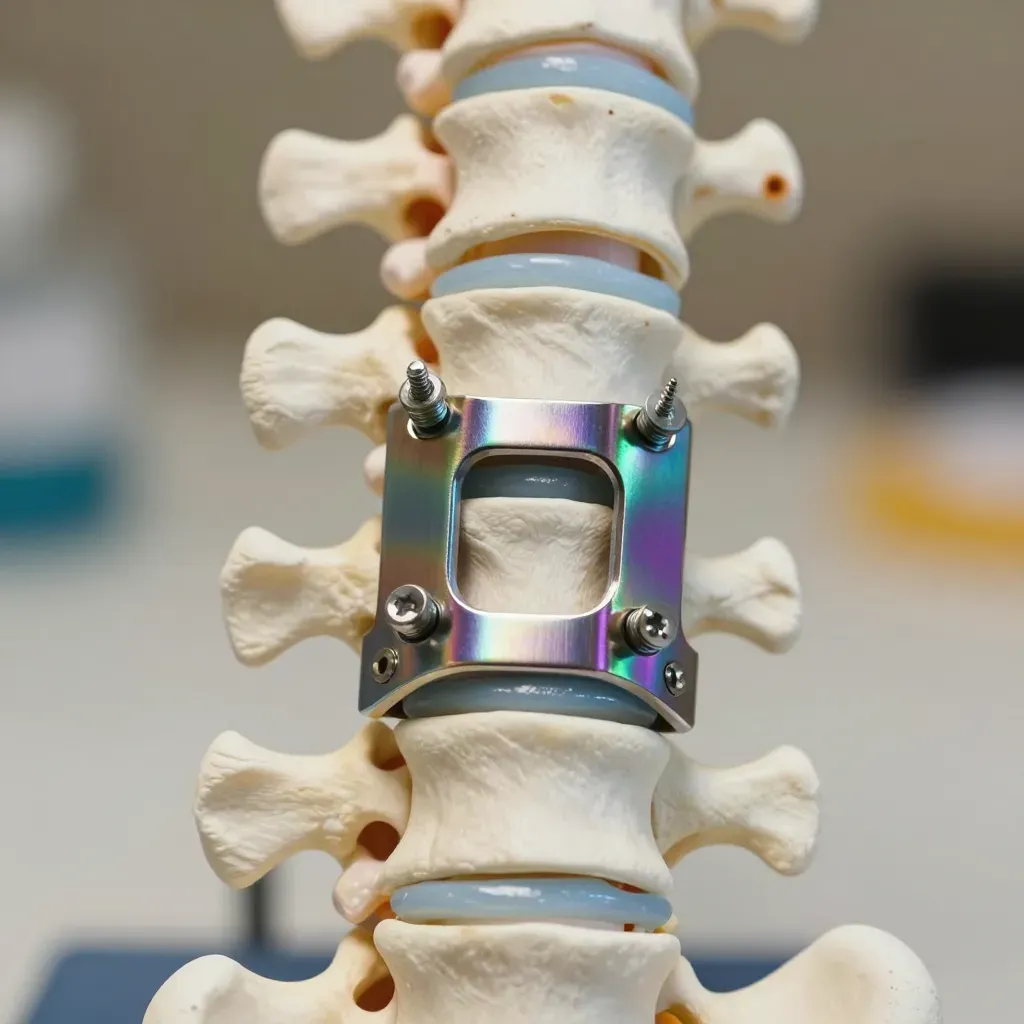
Transforaminal Lumbar Interbody Fusion (TLIF) surgery involves removing the disc between two vertebral bones and replacing it with a cage filled with bone graft. To fuse two or more vertebrae together, pedicle screws and rods are placed into the spinal bones.
In TLIF surgery, the spine bones are held in place until spinal fusion occurs using metal rods and screws. In addition to stabilizing the spine and strengthening the spinal column, this procedure helps alleviate the symptoms of strain on the spinal nerve roots.
These days, MIS-TLIF, a very little incision, allows for a less invasive approach to this operation.
Benefits:
- decrease in symptoms such as tingling, numbness, and back pain in the extremities;
- increases the spine’s range of motion
- improved spinal stability;
- helps the spinal column repair.
Drawbacks
- reduces movement by fusing the two spine bones together.
Indications for spinal fusion surgery
The decision to have spinal fusion surgery might be made for a variety of reasons. The TLIF technique, one of the most widely utilized methods for performing spinal fusion procedures, will be the primary topic of this article.
Spinal fusion surgery is frequently performed to treat back discomfort that doesn’t seem to get better with conservative measures.
When weight is placed on a person’s spine, it may become unstable or develop a slipped disk that presses against a nerve and hurts. While surgeons secure the disk with hardware, like screws and rods, to prevent it from slipping again, the TLIF procedure may be utilized to release pressure from the disk.
For specific spine issues, spinal fusion surgery is recommended, including
- Degenerative discs
- Stenosis of the spine
- Broken discs
- severe scoliosis cases
- Spondylolisthesis
Spinal Fusion Surgery: What Is It
In order to offer stability and pain relief, two or more vertebrae might be fused (connected) during spinal fusion surgery. Chronic back issues that don’t improve with non-surgical therapy are frequently treated with it.
Follow-Up Care Following TLIF Back Surgery
Following every operation, post-operative care is a crucial procedure that may involve everything from physical therapy to medication to wound care.
Following TLIF back surgery, the length of postoperative care will vary based on the complexity of the procedure as well as other variables like age, medical history, and surgeon preference.
The hospital stay is the first stage of post-operative care, during which nurses give pain management and other therapies while keeping an eye out for any general discomfort. Patients will still need to see their doctor every few days after being released from the hospital to make sure they are mending appropriately. At this point, a doctor may prescribe medication to treat pain or inflammation.
The physiotherapist usually gets the patients up and walking the very day after surgery. On the first day of surgery, general conditioning activities for the knee and hip are initiated. On the second day following surgery, patients can typically use the restroom without assistance. On the third day following surgery, they are typically released from the hospital.
For six weeks, patients are advised to refrain from any mechanical work. Six weeks following surgery, they are able to resume driving. Six weeks after surgery, office work can begin. After the surgeon certifies that the operation is healing properly, the majority of daily tasks, including housework, can begin three months after the procedure.
Lastly, six weeks to three months after surgery, post-operative rehabilitation may also be recommended for rigorous physical therapy or at-home exercises.
Post-TLIF Surgery Recovery
Taking it easy is the best approach to return to your regular life following TLIF surgery. After surgery, you should avoid carrying anything more than five pounds for at least six weeks.
Each person may heal from spinal fusion surgery at a different pace. But it often takes six to nine months for the spine to fully heal, at which point painkillers can be discontinued.
The patient is able to move around easily during this period and is not need to use a wheelchair.
After TLIF surgery, recuperation takes roughly six weeks. The following advice can help you return to your regular life following TLIF surgery:
- For at least six weeks following surgery, take it easy and avoid carrying anything weighing more than five pounds.
- After surgery, continue to eat well and lead a healthy lifestyle.
- Make every effort to maintain a neutral spine, particularly when sitting or lying down.
- Additionally, they should refrain from driving for six weeks.
- For three months following surgery, stay away from mechanical work, sitting, squatting, forward bending, and ground level activities.