Services
Services
Contact Info
With extensive expertise in managing spinal disorders, specialized services guarantee that every patient is provided with a tailored treatment strategy. The objective is always to initiate with non-surgical techniques and progress to advanced treatments only when essential.
+91-8527148924
24/7 Support for Your Business
Info File
Spinal Metastasis/ Primary bone tumors of Spine
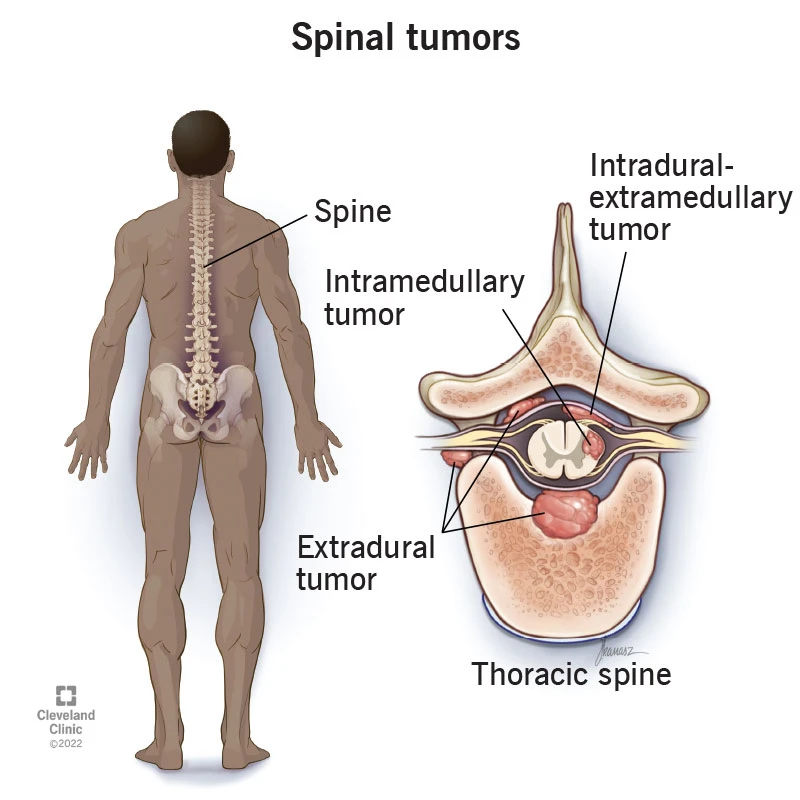
Tumors in the spine can be divided into two primary types: metastatic spinal tumors and primary tumors originating from the spine itself. Metastatic spinal tumors occur when cancerous cells from other areas of the body migrate to the spinal region, while primary tumors form directly within the vertebrae. Prompt diagnosis and specialized treatment are crucial for both conditions to avert severe complications.
The spine often serves as a frequent target for metastases, particularly from tumors of the breast, lung, prostate, and kidney. These metastatic tumors can compromise spinal stability, potentially leading to compression of the spinal cord or nerves, resulting in pain and neurologic symptoms.
Signs of Spinal Tumors
Individuals with spinal tumors may face:
- Chronic back or neck discomfort, frequently intensifying at night
- Pain radiating into the arms or legs
- Weakness, numbness, or tingling sensations in the extremities
- Challenges with walking or maintaining balance
- In extreme cases, loss of bladder or bowel control
These signs should be taken seriously, as early identification is vital for effective treatment.
Diagnosis & Assessment
The diagnosis comprises a thorough clinical assessment alongside advanced imaging techniques such as MRI, CT scans, and occasionally biopsy. These assessments are essential for ascertaining the type, location, and extent of the tumor, which is critical for formulating the appropriate treatment strategy.
Treatment Approaches
The course of treatment is contingent on the tumor's type and stage. It may encompass:
Management of pain and supportive interventions
Radiation therapy or chemotherapy
Minimally invasive or traditional spine surgery
Procedures for spinal stabilization
The primary aim is to alleviate pain, safeguard neurological function, and uphold spinal integrity.
Treatment Approaches
The course of treatment is contingent on the tumor's type and stage. It may encompass:
Management of pain and supportive interventions
Radiation therapy or chemotherapy
Minimally invasive or traditional spine surgery
Procedures for spinal stabilization
The primary aim is to alleviate pain, safeguard neurological function, and uphold spinal integrity.
Innovative Surgical Care
In scenarios necessitating surgery, cutting-edge techniques are employed to effectively excise tumors and stabilize the spine. Surgical options may include tumor removal, spinal cord decompression, and spinal fusion.
With contemporary surgical practices, patients can experience enhanced outcomes, diminished pain, and an improved quality of life.
Innovative Surgical Care
In scenarios necessitating surgery, cutting-edge techniques are employed to effectively excise tumors and stabilize the spine. Surgical options may include tumor removal, spinal cord decompression, and spinal fusion.
With contemporary surgical practices, patients can experience enhanced outcomes, diminished pain, and an improved quality of life.
Specialized Spine Management
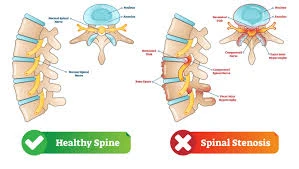
Surgery is contemplated only when non-surgical interventions such as medications, physical therapy, and injections do not yield relief. It is also recommended in cases of significant nerve compression, weakness, or functional loss.
Frequently Asked Questions
you should see a spine surgeon if your back pain doesn't improve with conservative treatment measures, gets worse, interferes with normal activity, or is associated with other symptoms such as leg pain, numbness, tingling, or weakness The spine surgeon can help determine the cause of your back pain and discuss treatment options, including surgical and non-surgical options.
No, spine surgery is not mandatory in all cases. A lot of symptoms of back pain and slipped disc can be reduced by medication, physiotherapy, exercising and other non-surgical treatments. Moreover, surgery can be recommended only if the pain is excruciating or if it is causing extreme discomfort due to pressure on the nerves.
Final recovery is defined based on the nature of the surgery, the spinal problem, and the general condition of the body. Some patients may resume most routine activities after several days or weeks. However, in most cases, it takes between several weeks and a few months for the body to heal entirely. The spine surgeon will advise the expected duration of the recovery period following the surgical procedure.
If you are looking for a Best Spine Surgeon in Noida, here is contact information Dr. Pramod Saini, Endoscopic and Minimally Invasive Spine Surgeon at Max Super Speciality Hospital (Jaypee Hospital), Sector 128, Noida. He specialises in treatment of slipped disc, sciatica, spinal stenosis and various other spine disorders. Consultation offers treatment options including surgery and non-surgical options and surgery is considered only if there are no other options. For consultation, contact Spine Surgery Noida , or reach out to the hospital directly for information about appointments.