Services
Home > Services
Services
Contact Info
With extensive expertise in managing spinal disorders, specialized services guarantee that every patient is provided with a tailored treatment strategy. The objective is always to initiate with non-surgical techniques and progress to advanced treatments only when essential.
+91-8527148924
24/7 Support for Your Business
Info File
Osteoporosis/osteoporotic fracture
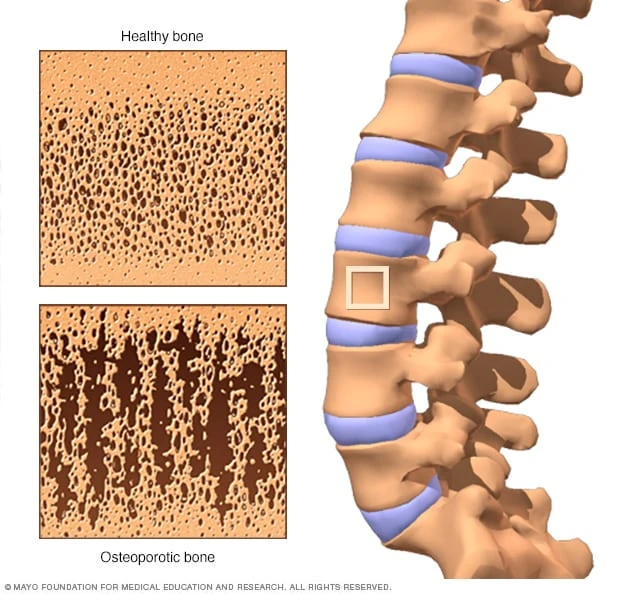
Osteoporosis is a condition where bones weaken, become fragile, and are increasingly susceptible to breaks. This ailment predominantly affects seniors, particularly women, and often remains undetected until a fracture takes place. Fractures related to osteoporosis most commonly involve the spine, hips, and wrists, significantly affecting mobility and overall quality of life.
Identifying the condition early and managing it appropriately are crucial for preventing fractures and preserving bone health.
Causes of Osteoporosis
Osteoporosis arises from diminished bone density and strength. Key contributors and risk elements include:
- Aging and hormonal fluctuations
- Deficiencies in calcium and vitamin D
- Inactive lifestyle
- Genetic predisposition to osteoporosis
- Prolonged use of certain medications
- Tobacco use and significant alcohol intake
These elements progressively undermine the bones, making them vulnerable to fractures even from minor injuries.
Symptoms of Osteoporotic Fractures
While osteoporosis itself may not exhibit symptoms at first, fractures can manifest as the following:
- Sudden back discomfort
- Gradual loss of height
- Curved posture (kyphosis)
- Fractures from minimal trauma
- Decreased mobility and restrictions on daily activities
Spinal fractures linked to osteoporosis are particularly prevalent and can lead to persistent pain if not addressed.
Diagnosis & Evaluation
Determining the condition involves bone density assessment (DEXA scan) along with X-rays or MRI when a fracture is suspected. Early identification facilitates preventive treatment and minimizes fracture risk.
Treatment Options
Non-Surgical Management:
- Calcium and vitamin D supplementation
- Medications to enhance bone strength
- Lifestyle modifications and weight-bearing physical activities
- Strategies to prevent falls
Treatment for Osteoporotic Fractures:
Pain relief and bracing
- Less invasive procedures such as Vertebroplasty & Kyphoplasty
- Surgical intervention in severe instances for stabilization
Prompt treatment can considerably alleviate pain and enhance mobility.
Prevention & Recovery
Keeping a balanced diet, engaging in regular exercise, and undergoing routine health examinations are essential for averting osteoporosis. Early intervention not only fortifies bones but also diminishes the likelihood of future fractures.
Recovery is contingent on fracture severity and overall health status, but most individuals show improvement with appropriate care and rehabilitation.
Expert Spine Care
The management of osteoporosis and its associated fractures necessitates a thorough and enduring approach. Consulting with a spine specialist early on guarantees precise diagnosis and effective treatment planning.
If you are experiencing back discomfort or possess risk factors for fragile bones, seek professional guidance to safeguard your spine health.
Frequently Asked Questions
you should see a spine surgeon if your back pain doesn't improve with conservative treatment measures, gets worse, interferes with normal activity, or is associated with other symptoms such as leg pain, numbness, tingling, or weakness The spine surgeon can help determine the cause of your back pain and discuss treatment options, including surgical and non-surgical options.
No, spine surgery is not mandatory in all cases. A lot of symptoms of back pain and slipped disc can be reduced by medication, physiotherapy, exercising and other non-surgical treatments. Moreover, surgery can be recommended only if the pain is excruciating or if it is causing extreme discomfort due to pressure on the nerves.
Final recovery is defined based on the nature of the surgery, the spinal problem, and the general condition of the body. Some patients may resume most routine activities after several days or weeks. However, in most cases, it takes between several weeks and a few months for the body to heal entirely. The spine surgeon will advise the expected duration of the recovery period following the surgical procedure.
If you are looking for a Best Spine Surgeon in Noida, here is contact information Dr. Pramod Saini, Endoscopic and Minimally Invasive Spine Surgeon at Max Super Speciality Hospital (Jaypee Hospital), Sector 128, Noida. He specialises in treatment of slipped disc, sciatica, spinal stenosis and various other spine disorders. Consultation offers treatment options including surgery and non-surgical options and surgery is considered only if there are no other options. For consultation, contact Spine Surgery Noida , or reach out to the hospital directly for information about appointments.