Services
Home > Services
Services
Contact Info
With extensive expertise in managing spinal disorders, specialized services guarantee that every patient is provided with a tailored treatment strategy. The objective is always to initiate with non-surgical techniques and progress to advanced treatments only when essential.
+91-8527148924
24/7 Support for Your Business
Info File
Lumbar Fusion/Transforaminal Lumbar Interbody Fusion (TLIF)
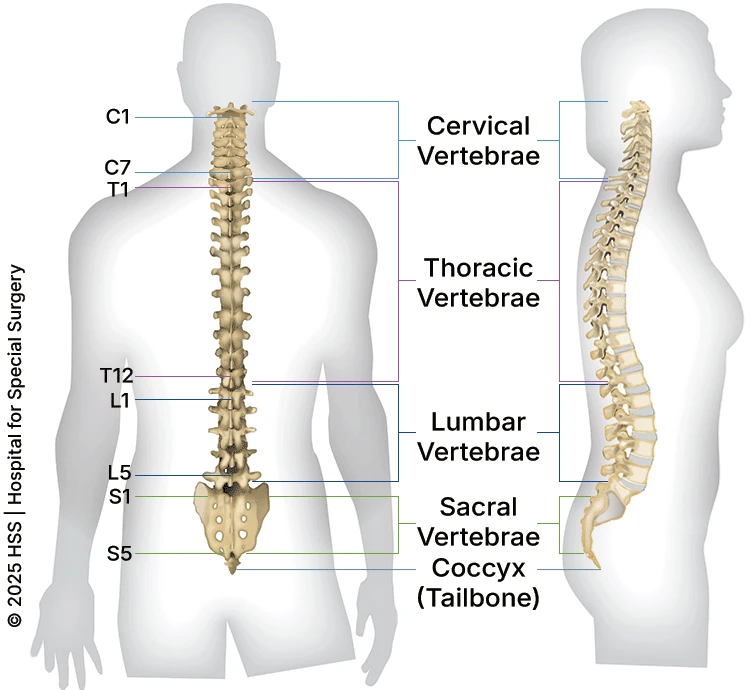
Lumbar fusion, particularly transforaminal lumbar interbody fusion (TLIF), is a frequently conducted spine surgery aimed at addressing conditions impacting the lower back. This operation aids in stabilizing the spine by joining two or more vertebrae, alleviating pain and enhancing functionality.
TLIF represents a sophisticated surgical approach that provides access to the spine from one lateral side of the back. Its purpose is to eliminate the compromised disc and substitute it with a bone graft or implant, facilitating fusion between the vertebrae. This alleviates pressure on spinal nerves and reinstates spinal stability.
Conditions Addressed by TLIF
Lumbar fusion surgery is advised for individuals suffering from:
- Herniated Disc (Disc Prolapse)
- Spondylolisthesis (vertebra displacing forward)
- Degenerative Disc Disease
- Spinal Canal Stenosis
- Persistent Lower Back Pain
- Recurrent disc issues post-prior surgery
It is typically recommended when conservative treatments fail to yield sufficient relief.
Advantages of TLIF Surgery
TLIF presents numerous benefits compared to conventional fusion methods:
- Effectively stabilizes the spine
- Relieves pressure on nerves and reduces pain
- Enhances spinal alignment
- Lowers the odds of subsequent disc complications
- Can be executed using minimally invasive techniques
Patients generally observe notable improvements in pain and mobility following recovery.
Surgical Overview
In the course of TLIF surgery, the injured disc is excised, and a spacer or bone graft is inserted into the disc space. Screws and rods may be employed to maintain spinal positioning during the fusion process.
The operation may utilize minimally invasive strategies, resulting in smaller cuts, reduced blood loss, and quicker recovery.
Recovery & Outcomes
Recovery duration varies based on the patient's condition and surgical technique. Most patients can walk within a few days and gradually return to their normal routines. Physiotherapy is vital for reinforcing the spine and enhancing flexibility.
With appropriate care, TLIF can deliver lasting stability and relief from chronic back pain.
Professional Spine Care
Lumbar fusion surgery demands precision and expertise to yield optimal results. An accurate diagnosis and a tailored treatment strategy are crucial for successful recovery.
If you are facing intense lower back pain or symptoms related to nerve issues, consult a spine specialist to determine if TLIF surgery is a suitable option for you.
Frequently Asked Questions
you should see a spine surgeon if your back pain doesn't improve with conservative treatment measures, gets worse, interferes with normal activity, or is associated with other symptoms such as leg pain, numbness, tingling, or weakness The spine surgeon can help determine the cause of your back pain and discuss treatment options, including surgical and non-surgical options.
No, spine surgery is not mandatory in all cases. A lot of symptoms of back pain and slipped disc can be reduced by medication, physiotherapy, exercising and other non-surgical treatments. Moreover, surgery can be recommended only if the pain is excruciating or if it is causing extreme discomfort due to pressure on the nerves.
Final recovery is defined based on the nature of the surgery, the spinal problem, and the general condition of the body. Some patients may resume most routine activities after several days or weeks. However, in most cases, it takes between several weeks and a few months for the body to heal entirely. The spine surgeon will advise the expected duration of the recovery period following the surgical procedure.
If you are looking for a Best Spine Surgeon in Noida, here is contact information Dr. Pramod Saini, Endoscopic and Minimally Invasive Spine Surgeon at Max Super Speciality Hospital (Jaypee Hospital), Sector 128, Noida. He specialises in treatment of slipped disc, sciatica, spinal stenosis and various other spine disorders. Consultation offers treatment options including surgery and non-surgical options and surgery is considered only if there are no other options. For consultation, contact Spine Surgery Noida , or reach out to the hospital directly for information about appointments.