Services
Home > Services
Services
Contact Info
With extensive expertise in managing spinal disorders, specialized services guarantee that every patient is provided with a tailored treatment strategy. The objective is always to initiate with non-surgical techniques and progress to advanced treatments only when essential.
+91-8527148924
24/7 Support for Your Business
Info File
Spinal Fractures
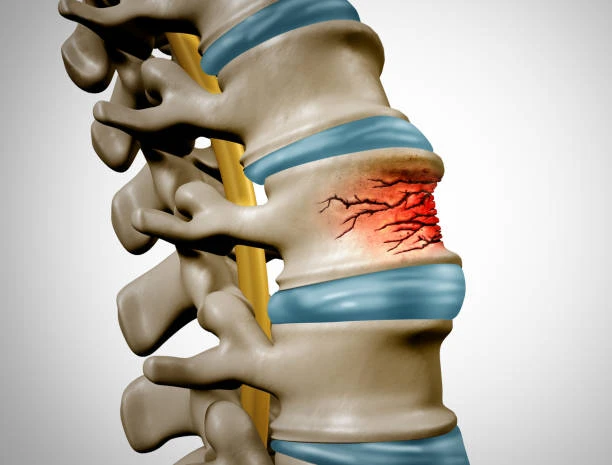
Spinal fractures denote breaks or fissures in one or more vertebrae of the spine. These fractures can result from trauma, falls, accidents, or conditions like osteoporosis that compromise bone strength. Depending on their intensity, spinal fractures can lead to substantial pain and may impact spinal stability and nerve functionality.
Timely diagnosis and appropriate treatment are crucial to avert complications such as deformity, chronic pain, or neurological impairment.
Causes of Spinal Fractures
Various factors can lead to spinal fractures, including:
- Road traffic accidents or high-impact injuries
- Falls from elevated surfaces
- Osteoporosis (fragile bones)
- Sports-related injuries
- Tumors or infections influencing the spine
In older adults, even minor tumbles can result in fractures due to diminished bone density.
Symptoms of Spinal Fractures
Typical symptoms encompass the following:
- Sudden and intense back pain
- Pain that intensifies with movement
- Restricted mobility or challenges standing
- Deformity or abnormal alignment
- Numbness, tingling, or weakness (in dire cases)
If the spinal cord or nerves are compromised, it can lead to serious neurological manifestations that necessitate immediate medical intervention.
Diagnosis & Evaluation
Diagnostic procedures include a physical exam along with imaging tests such as X-rays, CT scans, or MRI. These assessments help identify the type, location, and severity of the fracture, which is vital for treatment planning.
Treatment Options
Treatment varies based on the fracture's severity.
Non-Surgical Treatment:
- Rest and pain relief
- Bracing to support the spinal column
- Medications and physical therapy
Surgical Treatment
In cases of severe or unstable fractures, surgery may be necessary to stabilize the spine and alleviate pressure on nerves. Common surgical options include:
- Vertebroplasty & Kyphoplasty
- Spinal Fixation & Fusion
- Decompression Surgery
Minimally invasive approaches are frequently utilized for quicker recovery and improved outcomes.
Recovery & Rehabilitation
Recovery times differ depending on the fracture type and treatment method. With appropriate care, many patients can regain mobility and resume regular activities. Physical therapy is essential in strengthening the spine and preventing future injuries.
Expert Spine Care
Spinal fractures necessitate prompt and specialized attention to ensure adequate healing and avoid long-term issues. Early consultation with a spine expert can substantially impact recovery.
If you are experiencing intense back pain following an injury or fall, seek medical attention promptly.
Frequently Asked Questions
you should see a spine surgeon if your back pain doesn't improve with conservative treatment measures, gets worse, interferes with normal activity, or is associated with other symptoms such as leg pain, numbness, tingling, or weakness The spine surgeon can help determine the cause of your back pain and discuss treatment options, including surgical and non-surgical options.
No, spine surgery is not mandatory in all cases. A lot of symptoms of back pain and slipped disc can be reduced by medication, physiotherapy, exercising and other non-surgical treatments. Moreover, surgery can be recommended only if the pain is excruciating or if it is causing extreme discomfort due to pressure on the nerves.
Final recovery is defined based on the nature of the surgery, the spinal problem, and the general condition of the body. Some patients may resume most routine activities after several days or weeks. However, in most cases, it takes between several weeks and a few months for the body to heal entirely. The spine surgeon will advise the expected duration of the recovery period following the surgical procedure.
If you are looking for a Best Spine Surgeon in Noida, here is contact information Dr. Pramod Saini, Endoscopic and Minimally Invasive Spine Surgeon at Max Super Speciality Hospital (Jaypee Hospital), Sector 128, Noida. He specialises in treatment of slipped disc, sciatica, spinal stenosis and various other spine disorders. Consultation offers treatment options including surgery and non-surgical options and surgery is considered only if there are no other options. For consultation, contact Spine Surgery Noida , or reach out to the hospital directly for information about appointments.